DTF Transfers vs Screen Printing vs HTV Vinyl: Which Is Best for Your T-Shirt Business in 2025?
by Penny on Dec 06, 2025

Running a t-shirt business in 2025 means you've got more printing options than ever before. But with great power comes great confusion: DTF transfers, screen printing, and HTV vinyl each have their sweet spots, and choosing wrong can cost you time, money, and customers.
Whether you're just starting out or looking to scale up, this guide breaks down exactly when each method makes sense for your business. No fluff, just the real-world pros and cons that matter to your bottom line.
DTF Transfers: The Versatile Game-Changer
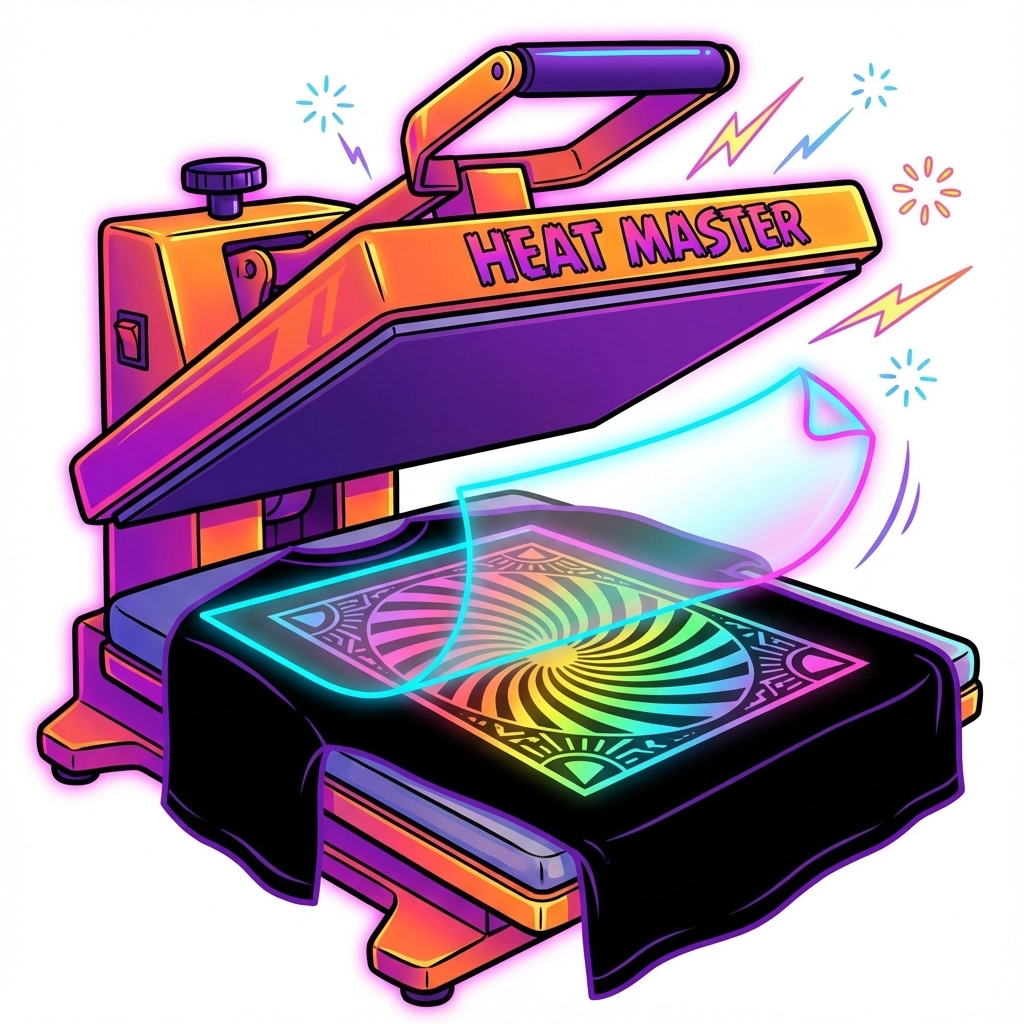
DTF (Direct-to-Film) transfers have absolutely exploded in popularity over the past few years, and for good reason. Your design gets printed onto a special transfer film using high-quality inks, then heat-pressed directly onto the fabric in seconds.
The DTF Advantage
What makes DTF so appealing is its incredible versatility. Unlike screen printing, which struggles with complex designs, or HTV, which requires tedious weeding, DTF handles intricate, full-color artwork like a champ. We're talking photography-quality prints with gradients, fine details, and unlimited colors: all applied in one step.
DTF works on virtually any fabric type: cotton, polyester, rayon, blends, nylon, fleece, and even leather. Dark fabrics? No problem. Textured materials? Easy. Heat-sensitive fabrics that would melt under traditional methods? DTF handles them all without requiring pre-treatment.
Cost and Speed Reality Check
Here's where DTF really shines for small businesses: zero minimum orders and minimal setup costs. You can literally print one shirt or one hundred without breaking the bank on setup fees. For custom orders and on-demand printing, this flexibility is huge.
Production speed is impressive too. Once you've got your transfers, you can apply 500 shirts per hour with just one person: matching screen printing speeds without the hassle of multiple color setups.
The Downsides
DTF isn't perfect. You'll need specialized transfer films and inks, plus a decent heat press to get professional results. For massive orders (think 1,000+ pieces), the per-unit cost starts getting expensive compared to screen printing.
Best DTF Scenarios:
- Small businesses with custom orders
- Complex, multi-color designs
- Dark or specialty fabrics
- Quick turnaround needs
- Orders under 100 units
Screen Printing: The Volume King
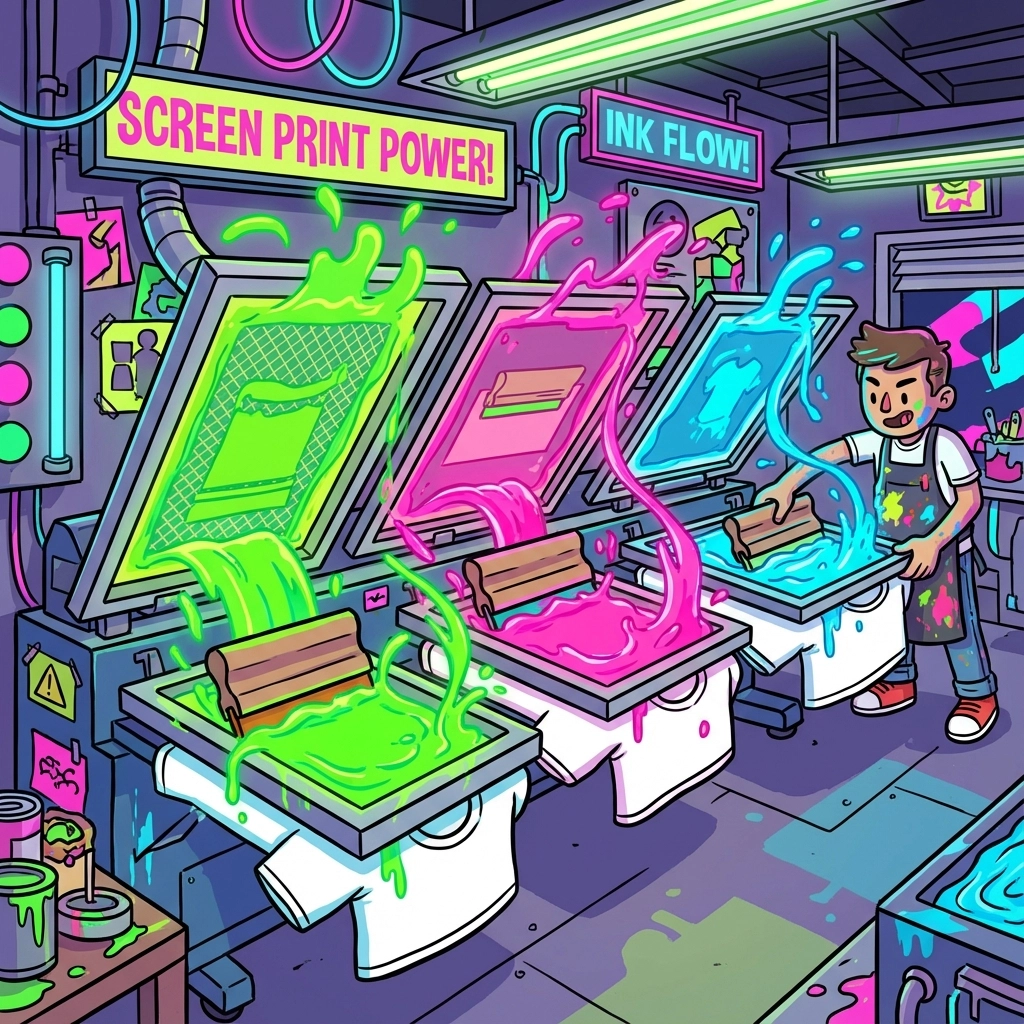
Screen printing has been the go-to method for bulk apparel for decades, and it's not going anywhere. The process involves creating mesh screens for each color, then pushing ink through them onto fabric layer by layer.
Why Screen Printing Still Rules
When volume is your game, nothing beats screen printing for cost efficiency. Once those screens are set up, automatic presses can crank out hundreds of garments per hour. For orders over 500 pieces, screen printing typically offers the lowest per-unit cost.
The prints themselves are fantastic: ink gets applied directly to fabric, creating a natural hand feel that's incredibly durable. We're talking prints that look great after years of washing and wear.
The Setup Reality
Here's the catch: setup is expensive and time-consuming. Each color requires its own screen, and preparing screens is a labor-intensive process that can take hours. For a four-color design, you're looking at significant upfront costs before printing even starts.
This makes screen printing impractical for small runs or rush orders. If you need 20 custom shirts by tomorrow, screen printing isn't your friend.
Fabric Limitations
Screen printing works best on 100% cotton or cotton-heavy blends. Synthetic fabrics often require special inks and additives, which adds complexity and cost. Dark and textured fabrics can also be problematic, requiring additional steps like base layers.
Best Screen Printing Scenarios:
- Large bulk orders (500+ pieces)
- Simple designs with few colors
- Cotton or cotton-blend garments
- Established production runs
- When you have time for proper setup
HTV Vinyl: The DIY Champion
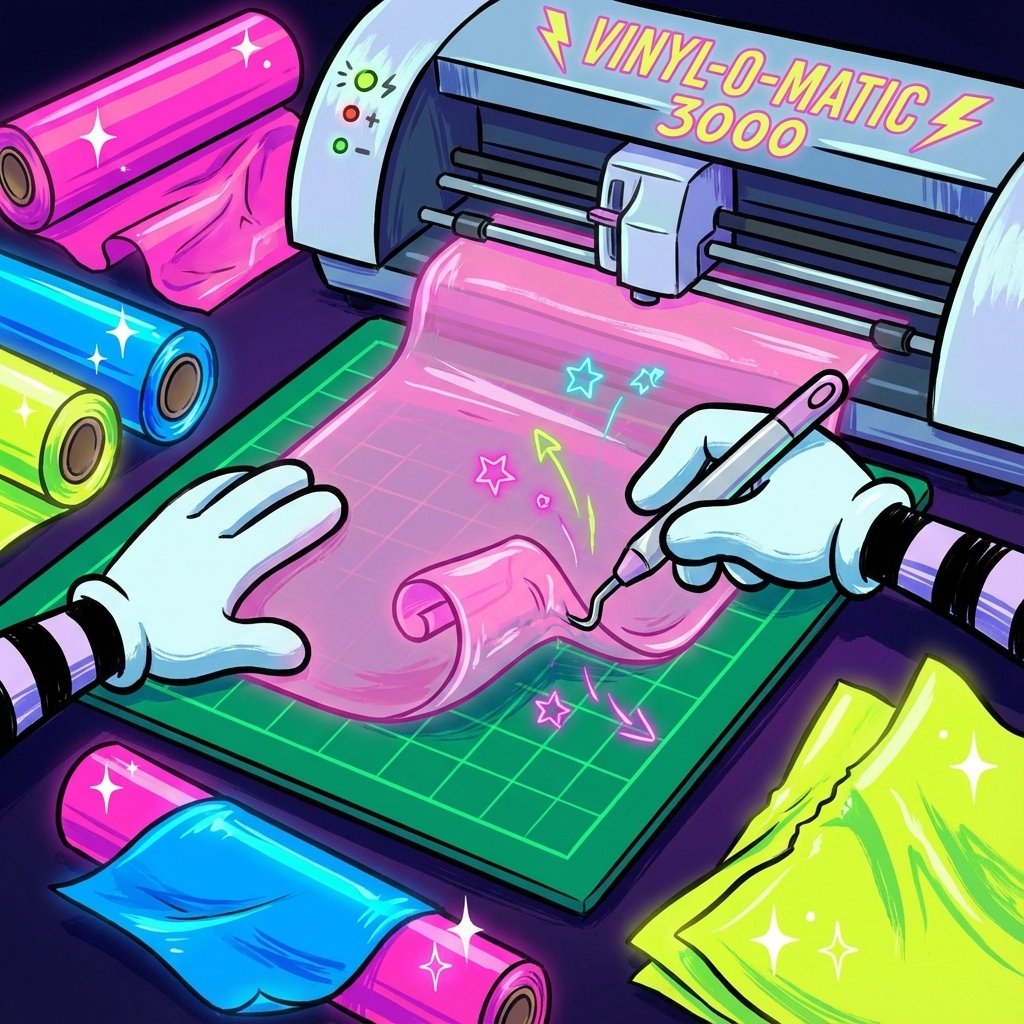
Heat Transfer Vinyl involves cutting colored vinyl sheets with a vinyl cutter, removing excess material (called weeding), then heat-pressing the design onto your garment. It's been around forever and still has its place in 2025.
HTV's Sweet Spots
HTV excels at specific applications that other methods can't touch. Need to add names and numbers to jerseys? HTV is perfect. Want special effects like glitter, metallic, or soft foam textures? HTV has you covered.
For beginners, HTV is incredibly accessible. The equipment costs are low, the learning curve is gentle, and you can literally cut and apply designs in your garage. It's also fantastic for on-site events where customers want immediate personalization.
The Complexity Problem
Here's where HTV struggles: design complexity. Because you have to manually remove (weed) excess vinyl, intricate designs become nightmarish. Forget about fine details, gradients, or photography-style images. HTV works best for simple, bold designs with clear separation between elements.
Production speed suffers too. Between cutting, weeding, and applying multiple colors separately, HTV is the slowest method for anything beyond basic designs.
When HTV Makes Sense
Despite its limitations, HTV still serves important niches:
- Simple, single-color designs
- Special effect applications
- On-site event printing
- Personalization (names, numbers)
- Last-minute rush jobs you can do in-house
Head-to-Head Comparison
| Feature | DTF Transfers | Screen Printing | HTV Vinyl |
|---|---|---|---|
| Setup Cost | Low | High | Low |
| Best Order Size | 1-100 units | 500+ units | 1-50 units |
| Design Complexity | Excellent | Limited | Poor |
| Color Options | Unlimited | Limited by screens | 1-2 colors typical |
| Fabric Types | Any fabric | Best on cotton | Most fabrics |
| Production Speed | Fast | Very fast (after setup) | Slow |
| Per-Unit Cost (Small Orders) | Low | High | Moderate |
| Per-Unit Cost (Large Orders) | Moderate | Low | High |
| Durability | 30-50 washes | Excellent | 50+ washes |
| Hand Feel | Soft, flexible | Natural | Can be stiff |
Real-World Recommendations
Starting a Custom T-Shirt Business? Go with DTF transfers. The zero minimums and low setup costs let you test designs and build a customer base without massive upfront investment. At Monster Transfers, we see tons of successful small businesses start with custom DTF gang sheets to maximize their variety while keeping costs down.
Running Events or Pop-Up Shops? Combine HTV with a portable cutting system. You can personalize items while customers wait, which justifies premium pricing despite the method's limitations.
Scaling to High-Volume Production? Invest in screen printing equipment once you have consistent orders over 500 units. The per-unit savings will significantly impact your margins.
Want the Best of All Worlds? Use multiple methods strategically. Many successful shops use DTF for complex, small-batch work and screen printing for their bread-and-butter bulk orders.
Working with Dark or Specialty Fabrics? DTF is your only realistic option. Screen printing and HTV both struggle with dark materials and require expensive workarounds.
The Bottom Line for 2025
The "best" printing method depends entirely on your business model, typical order sizes, and target market. DTF transfers offer the most flexibility for growing businesses, screen printing delivers the best economics at scale, and HTV fills specific niches that other methods can't touch.
Most successful apparel decorators in 2025 aren't married to one method: they use the right tool for each job. Start with DTF to build your business, add screen printing when volume justifies it, and keep HTV around for special applications.
The key is understanding your costs, knowing your customers' needs, and choosing methods that support your growth rather than limit it. Whatever you choose, make sure you're getting quality materials and transfers that represent your brand well: because at the end of the day, your reputation rides on every shirt that walks out the door.


